Asia
Philippines
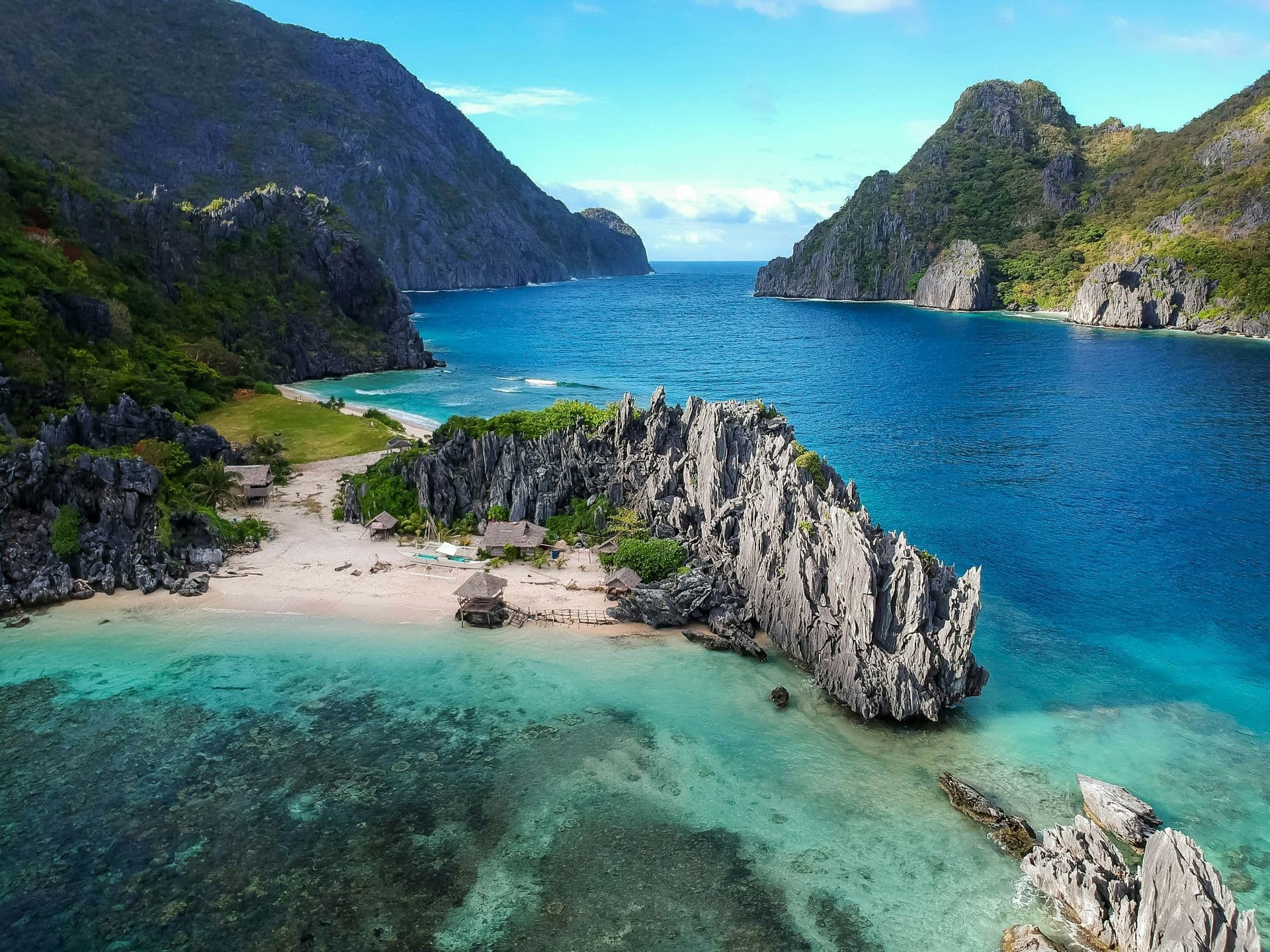
Limestone lagoons, island-hopping boats and some of the friendliest people in Asia.
The Philippines is made up of more than 7,000 islands, and most backpackers pick a handful. Palawan has the lagoons of El Nido and the wrecks of Coron, the Visayas have whale sharks, waterfalls and cheap diving, and Siargao is the surf capital.
Getting between islands takes planning, so fly into Manila or Cebu and use cheap domestic flights and ferries to cover the distance. English is widely spoken, which makes it one of the easiest countries in the region to get around.
Good to know
- Time zone
- GMT+8
- Plugs
- Types A, B and C, 220V
- Emergency numbers
- 911
- Tap water
- Drink bottled or filtered
- Traffic drives on the
- Right
- Tipping
- Many restaurants add a 10% service charge; otherwise 20–50 pesos for good service or a boat crew is appreciated.
- SIM cards
- Globe and Smart SIMs cost around 300–500 pesos with data at the airport, and you must register them with your passport.
When to go to Philippines
Best months to go: December to April. Pick a month to see what it’s like.
Bars show rainfall; numbers are the average daytime high. Amber marks the best months to go.
September
Surf season on Siargao. Typhoons can still cancel ferries and flights.
- Daytime high
- 31°C
- Rainfall
- 350 mm
- Crowds
- Quiet
| Month | Daytime high | Rainfall | Crowds | Best time to go |
|---|---|---|---|---|
| January | 30°C | 20 mm | Busy | Yes |
| February | 31°C | 10 mm | Busy | Yes |
| March | 32°C | 15 mm | Busy | Yes |
| April | 34°C | 20 mm | Peak season | Yes |
| May | 34°C | 150 mm | Busy | No |
| June | 32°C | 260 mm | Quiet | No |
| July | 31°C | 430 mm | Quiet | No |
| August | 30°C | 480 mm | Quiet | No |
| September | 31°C | 350 mm | Quiet | No |
| October | 31°C | 190 mm | Quiet | No |
| November | 31°C | 130 mm | Quiet | No |
| December | 30°C | 60 mm | Peak season | Yes |
What Philippines costs
Work out a budget for your trip, then check what everyday things cost.
$574for 14 days, about $41 a day (₱32,700 in total)
| Cost | Per day | For the trip | |
|---|---|---|---|
| Bed | $12 | $168 | |
| Food and drink | $10 | $140 | |
| Getting around | $8 | $112 | |
| Things to do | $8 | $112 | |
| Everything else | $3 | $42 |
Per person, in US dollars. Flights and insurance not included.
What things cost
- Adobo with rice at a carinderia₱100, about $1.75
- Jeepney ride₱13, about $0.23
- Bottle of San Miguel in a bar₱80, about $1.40
- Hostel dorm bed in El Nido₱700, about $12
- Tricycle ride across town₱100, about $1.75
- El Nido island-hopping tour with lunch₱1,400, about $25
- Halo-halo₱100, about $1.75
Routes through Philippines
Where to go and how long to stay, for the time you’ve got.
14 nights, 5 stops
Palawan’s lagoons and wrecks, then a flight to Cebu for sardine runs and chocolate hills.
Port Barton
2 nights
A small beach village without the crowds of El Nido.
El Nido
4 nights
Island-hopping tours through limestone lagoons and hidden beaches.
Coron
3 nights
Dive or snorkel Japanese wrecks and swim in Kayangan Lake.
Moalboal
2 nights
Snorkel with a million sardines just off the beach.
Bohol
3 nights
The Chocolate Hills, tiny tarsiers and Panglao’s beaches.
Getting around
Flight
$30–80 one way
Cebu Pacific and AirAsia connect the main islands. Book early and allow for delays in the rainy season.
Ferry
$5–40 per crossing
Fast ferries and bangka outrigger boats link the islands. Services stop when a typhoon warning is up.
Minibus
$8–15 for a long trip
Shared vans run between Puerto Princesa, Port Barton and El Nido. Seats are cramped, so get there early.
Bus
$10–20 for a long overnight trip
Night buses run from Manila to Banaue and Sagada, and around Cebu island.
Tuk-tuk
$1–4 for a short ride
Tricycles are the local tuk-tuk. Agree the fare first, or share one with others to pay less.
What to eat and drink
Adobo
Chicken or pork stewed in vinegar, soy and garlic. The national dish.
₱100, about $1.75
Sinigang
A sour tamarind soup with pork or prawns and vegetables.
₱150, about $2.63
Lechon
Whole roast pig with crackling. Cebu claims the best.
₱200, about $3.51
Sisig
Chopped pork cooked on a sizzling plate with chilli and calamansi.
₱150, about $2.63
Halo-halo
Shaved ice with sweet beans, jelly, ube and evaporated milk.
₱100, about $1.75
Calamansi juice
Fresh juice from a tiny, sour local lime, served over ice.
₱60, about $1.05
Say it like a local
A few words go a long way. Tap “Hear it” to listen, where your browser can.
Hello, how are you?
Kumusta?
Say it like: koo-moos-tah
Thank you
Salamat po
Say it like: sah-lah-mat poh
How much?
Magkano?
Say it like: mag-kah-noh
Too expensive
Ang mahal
Say it like: ang mah-hal
Stop here, please (on a jeepney)
Para po
Say it like: pah-rah poh
Delicious
Masarap
Say it like: mah-sah-rap
Cheers!
Tagay!
Say it like: tah-guy
Questions travellers ask
Do I need to speak Filipino?
No. English is an official language and almost everyone in tourist areas speaks it well. Adding po to the end of a sentence is a polite touch.
How do I get between islands?
Usually by flying through Manila or Cebu, or by ferry within the Visayas. Leave a spare day before any international flight in case of weather cancellations.
Do I need cash?
Yes, especially on smaller islands, where ATMs are few and often empty. Carry enough pesos for a few days when you go somewhere remote.
Are there fees on top of tours?
Often. El Nido, Coron and many islands charge environmental or terminal fees, so keep a few hundred pesos in small notes.
What about typhoons?
They mostly hit between July and November. Follow PAGASA updates, keep plans flexible and buy travel insurance that covers delays.